
The Hobbit: When is betrayal an act of love? 🐲
Dec 17, 2025
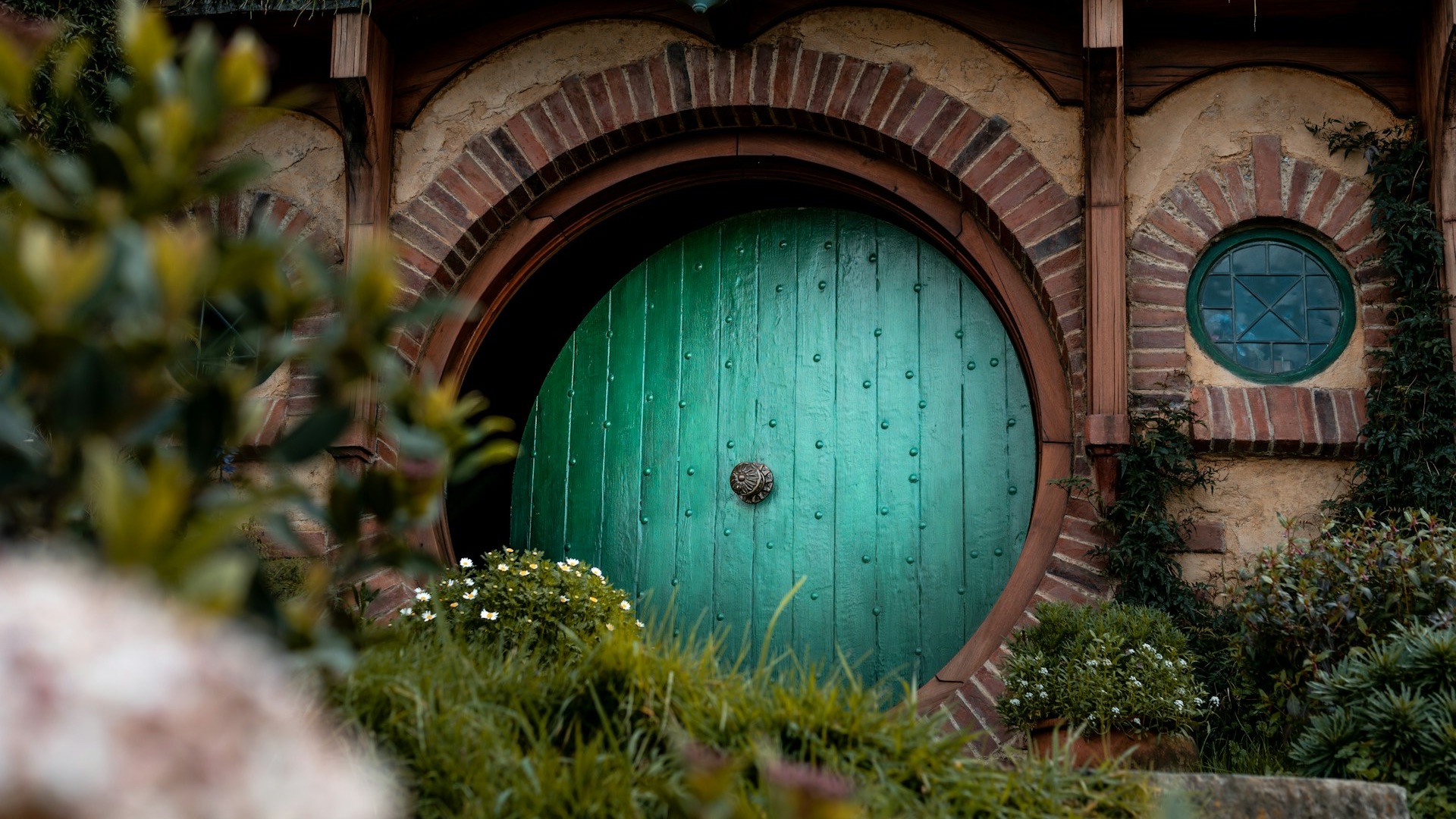
There’s a pivotal scene in The Hobbit (spoiler alert) where Thorin the good dwarf king is being corrupted by greed, leading to a war between men, elves, and dwarves. Bilbo the hobbit, a trusted ally of Thorin's, betrays him by giving the treasured Arkenstone to “the enemy,” in an act that preserves peace and therefore the long-term well-being of Thorin and his dwarves. Bilbo gives up his right to treasure in the act, and almost faces execution.
It’s a complex moral choice that I often reference in my own mind. As a parent, I’m often in the situation where I make choices against my children’s short term desires, for their greater long-term good. Sometimes it’s clear like in The Hobbit, but often it’s not. Am I just betraying them? Am I willing to honor their disagreement later in life, and not demand gratitude? Is it more for me, or am I willing to give up “my treasure?” And as a parent, there’s a certain duty I have to do this—but what about as a friend? As a fellow human?
I think Bilbo-style betrayal-as-love is rare in almost everything except parenting because it requires true self-sacrifice (you can’t gain a positive self-image or moral righteousness), irreversible harm (you can’t do it to make someone better), and a legitimate claim to knowing someone’s long term good better than they do—rare in adults, since we have a hard enough time determining our own unique direction in life, much less someone else’s. And In The Hobbit, Tolkien gives us the satisfaction of certainty. Thorin apologizes and says people should value meals and merriment more than gold and jewels. In real life, we rarely get to know; such an act comes from a willingness to live forever in doubt.
With love, Jordan
Join this conversation on Uptrust here
More like this?
Fresh practices, psyche-activating perspectives, & relationship tips every week in your inbox. Plus occasional updates from our team.
We hate SPAM. We will never sell your information, for any reason.
